
Fear of Flying: A CBT and Exposure Therapy Approach to Overcoming Anxiety
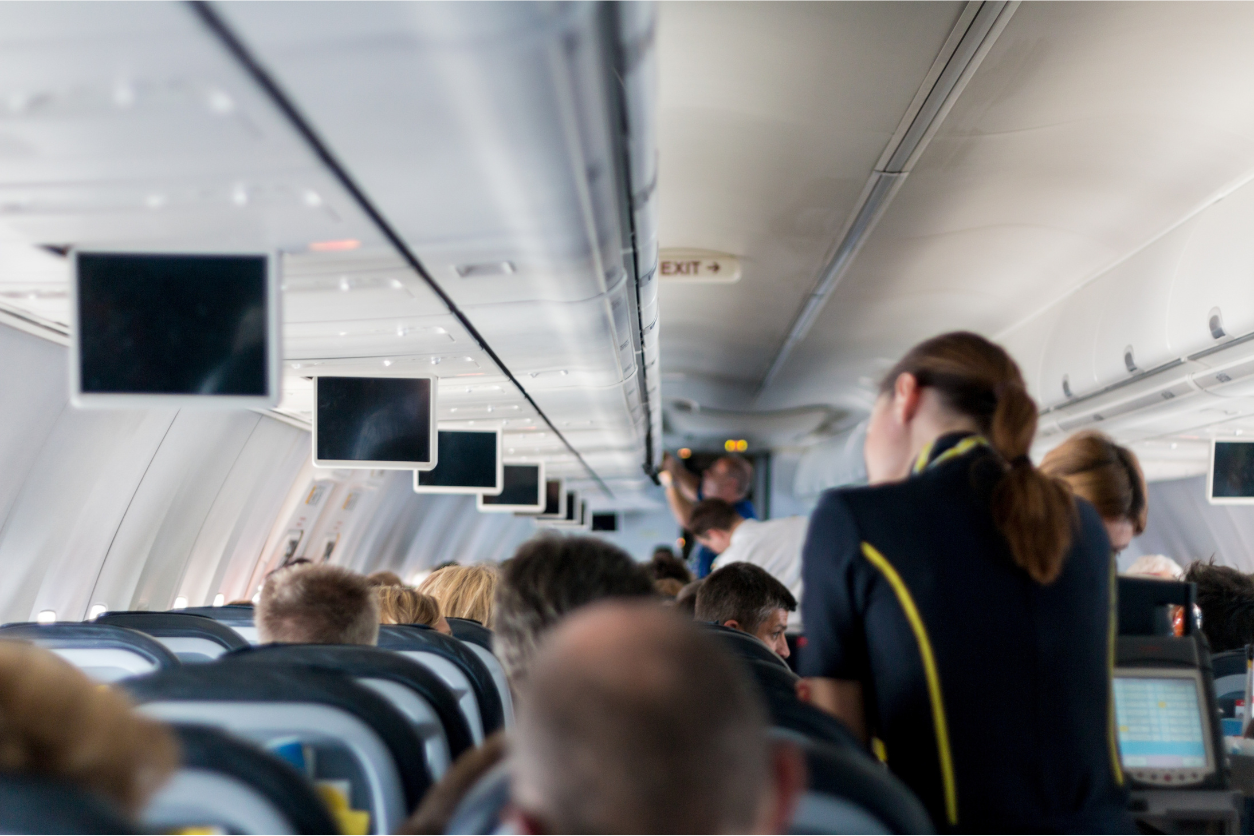
Fear of flying is a common experience that can range from mild discomfort to intense anxiety that interferes with travel, work, or personal life. For some, it shows up as uneasiness before a flight. For others, it can involve strong physical sensations, persistent worry, or avoiding flying altogether.
From a cognitive behavioral therapy (CBT) perspective, fear of flying is not about weakness or lack of logic. Many people who fear flying understand that air travel is statistically safe. The fear persists because it is driven by how the brain interprets risk, uncertainty, and lack of control—not by facts alone.
CBT and exposure therapy offer structured, evidence-based ways to reduce fear of flying by changing how thoughts, physical sensations, and behaviors interact over time.
What Is Fear of Flying?
Fear of flying, sometimes referred to as aviophobia, involves significant anxiety related to being on an airplane or anticipating a flight.
This fear can include:
Worry about turbulence, crashes, or mechanical failure
Discomfort with being in a confined space
Fear of losing control or being unable to escape
Heightened awareness of bodily sensations during flight
For some, the anxiety begins days or weeks before a trip. For others, it intensifies during takeoff, turbulence, or landing.
Why Flying Triggers Anxiety
Flying combines several elements that commonly trigger anxiety:
Lack of control: You are not in charge of the situation
Uncertainty: You cannot predict exactly how the flight will feel
Physical sensations: Changes in altitude and movement can mimic anxiety symptoms
Perceived danger: Even rare risks can feel immediate and personal
The brain tends to overestimate low-probability, high-impact events. Even though flying is objectively safe, the feeling of risk can be strong.
The CBT Model of Fear of Flying
CBT understands fear of flying as a cycle involving thoughts, physical sensations, and behaviors.
1. Trigger: Booking a flight, boarding, or experiencing turbulence
2. Thoughts: “This isn’t safe,” “Something could go wrong,” “I won’t be able to handle this”
3. Physical sensations: Increased heart rate, tension, dizziness
4. Behaviors: Avoiding flights, seeking reassurance, over-monitoring sensations
These components reinforce each other. The more the situation is avoided or controlled, the stronger the fear tends to become.
How Thoughts Fuel Fear of Flying
Thoughts play a central role in maintaining fear. These thoughts often involve overestimating danger and underestimating coping ability.
Common examples include:
“Turbulence means something is wrong”
“If I panic, I won’t be able to handle it”
“Flying is dangerous”
From a CBT perspective, these are interpretations—not facts. However, simply telling yourself they are irrational is usually not enough to reduce fear. Change happens through experience.
The Role of Physical Sensations
Flying naturally involves physical sensations—changes in pressure, movement, and altitude. These sensations can feel similar to anxiety symptoms, such as:
A drop in the stomach during turbulence
Increased heart rate
Lightheadedness
When these sensations are interpreted as dangerous, anxiety increases. Anxiety then intensifies the sensations, creating a feedback loop.
CBT helps break this cycle by changing how sensations are interpreted and responded to.
Avoidance and Safety Behaviors
Many people with fear of flying rely on behaviors intended to reduce anxiety or prevent something bad from happening.
Examples include:
Avoiding flights altogether
Excessively checking flight safety statistics
Using alcohol or medication to “get through” the flight
Constantly monitoring sounds or movements on the plane
While these strategies may reduce anxiety temporarily, they reinforce the belief that flying is unsafe or unmanageable.
How CBT Helps Reduce Fear of Flying
CBT focuses on changing both thoughts and behaviors in a practical, structured way.
Key components include:
Identifying and reframing unhelpful thoughts
Reducing reliance on safety behaviors
Gradually approaching feared situations
Building confidence through experience
The goal is not to eliminate anxiety entirely, but to reduce its intensity and impact.
Exposure Therapy for Fear of Flying
Exposure is one of the most effective treatments for specific fears, including fear of flying (Craske et al., 2014).
Exposure involves gradually facing feared situations rather than avoiding them.
Examples of exposure for flying might include:
Watching videos of flights or turbulence
Visiting an airport without flying
Sitting on a plane before takeoff (if possible)
Taking short flights and gradually increasing duration
Exposure is:
Gradual
Repeated
Designed to allow learning
Over time, the brain learns that anxiety rises and falls naturally, and that feared outcomes are less likely than predicted.
Learning to Tolerate Anxiety During Flights
A key shift in CBT is learning that anxiety can be present without needing to be eliminated.
During exposure, people often discover:
Anxiety peaks and then decreases
Physical sensations are uncomfortable but not harmful
They are more capable than they expected
This learning builds confidence over time.
Reducing Safety Behaviors
Part of exposure involves gradually reducing behaviors that maintain fear.
This might include:
Not checking turbulence predictions repeatedly
Sitting with sensations rather than trying to control them
Limiting reassurance-seeking
Reducing these behaviors allows new learning to occur: that flying can be tolerated without constant control.
When to Consider Professional Support
If fear of flying significantly limits travel or causes distress, working with a therapist trained in CBT can be helpful.
Therapy may include:
Structured exposure planning
Cognitive strategies tailored to specific fears
Support during practice
Professional guidance can make the process feel more manageable and effective.
Frequently Asked Questions About Fear of Flying
Is fear of flying common?
Yes. Many people experience some level of anxiety about flying, even if they continue to fly regularly.
Can fear of flying go away completely?
It can decrease significantly. The goal of CBT is to reduce its impact so it no longer limits behavior.
Does exposure therapy really work?
Yes. Research shows exposure is highly effective for reducing fear by helping the brain learn that situations are manageable (Craske et al., 2014).
What if I panic during a flight?
Panic is uncomfortable but not dangerous. It typically peaks and subsides. Learning to allow it without reacting can reduce its intensity over time.
How long does it take to improve?
This varies. Many people notice progress with consistent, gradual practice.
A More Flexible Way to Approach Flying
Fear of flying is not about a lack of logic—it is about how the brain responds to uncertainty, sensation, and perceived risk. With CBT and exposure therapy, it is possible to change that response.
Progress does not mean never feeling anxious. It means being able to fly, travel, and engage in life even when anxiety shows up. Over time, confidence grows—not because fear disappears completely, but because it no longer controls decisions.
References
American Psychiatric Association. (2022). Diagnostic and statistical manual of mental disorders (5th ed., text rev.; DSM-5-TR). American Psychiatric Publishing.
Craske, M. G., Treanor, M., Conway, C. C., Zbozinek, T., & Vervliet, B. (2014). Maximizing exposure therapy: An inhibitory learning approach. Behaviour Research and Therapy, 58, 10–23. https://doi.org/10.1016/j.brat.2014.04.006
Hofmann, S. G., Asnaani, A., Vonk, I. J. J., Sawyer, A. T., & Fang, A. (2012). The efficacy of cognitive behavioral therapy: A review of meta-analyses. Cognitive Therapy and Research, 36(5), 427–440. https://doi.org/10.1007/s10608-012-9476-1
Öst, L.-G. (1989). One-session treatment for specific phobias. Behaviour Research and Therapy, 27(1), 1–7. https://doi.org/10.1016/0005-7967(89)90113-7